
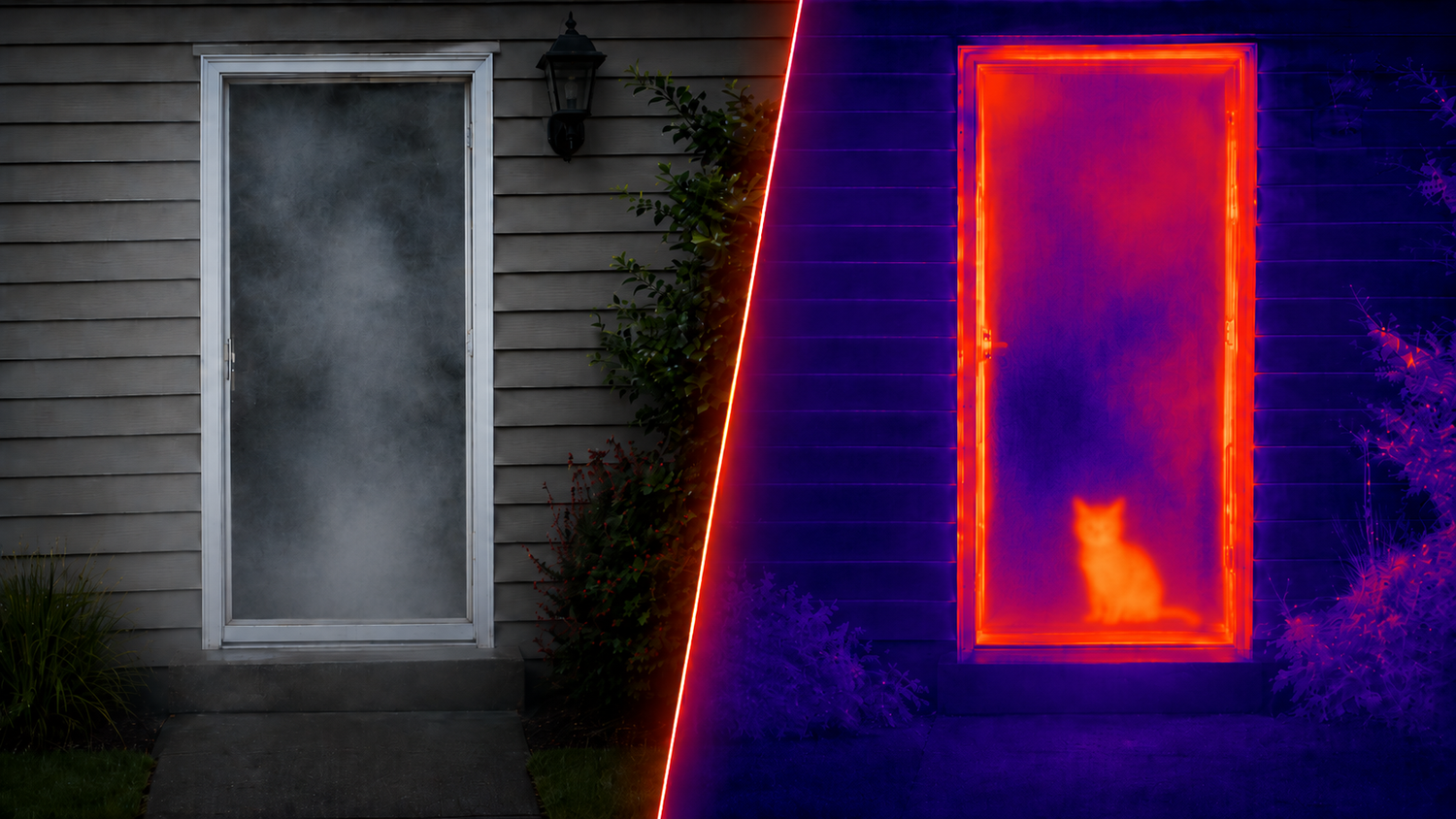
Les caméras thermiques ne peuvent pas voir à travers les murs. Les films et les émissions de télévision se trompent souvent à ce sujet, mais ces caméras ne pénètrent pas réellement les barrières solides. Au lieu de cela, elles détectent simplement la chaleur à la surface du mur. La plupart des murs étant épais et suffisamment isolés pour bloquer la chaleur de l'autre côté, la caméra ne lit que ce qui se passe en surface. Cependant, si quelque chose à l'intérieur du mur – comme une fuite de tuyau ou un fil chaud – crée un changement de température perceptible, la caméra peut révéler ce schéma de chaleur à la surface.
Comment fonctionne réellement l'imagerie thermique (température de surface vs. pénétration)
Les caméras thermiques fonctionnent selon un principe simple mais très efficace : détecter et visualiser le rayonnement infrarouge émis par les objets. Tout objet dont la température est supérieure au zéro absolu émet un rayonnement infrarouge, que les yeux humains ne peuvent pas voir. Les caméras thermiques capturent ce rayonnement invisible et le convertissent en une carte thermique visible, fournissant un profil détaillé de la température de surface où différentes couleurs représentent des intensités de chaleur variables.
Étant donné que le rayonnement infrarouge ne peut pas pénétrer les barrières solides comme le placoplâtre, le plâtre ou le bois, les caméras thermiques ne mesurent que la chaleur sur la couche de surface externe. Au lieu de voir à travers une structure, les caméras thermiques détectent de subtiles variations de température de surface causées par la conduction thermique des composants internes – tels que des montants verticaux plus froids ou un câblage interne chaud – permettant aux professionnels d'évaluer les conditions internes de manière non destructive.
Ce que les caméras thermiques peuvent (et ne peuvent pas) voir à travers ?
Comprendre comment le rayonnement infrarouge interagit avec différents matériaux clarifie les capacités physiques et les limites de la technologie d'imagerie thermique dans divers environnements.
Les caméras thermiques peuvent-elles voir à travers le verre ?
Les caméras thermiques ne peuvent pas voir à travers le verre. Le verre agit comme un miroir infrarouge car c'est un matériau très réfléchissant pour les longueurs d'onde infrarouges. Lorsqu'elles sont dirigées vers une fenêtre, les caméras thermiques montrent une signature thermique réfléchie de l'opérateur ou des objets environnants plutôt que de transmettre le rayonnement pour révéler ce qui se trouve de l'autre côté.
Les caméras thermiques peuvent-elles voir à travers le béton et la brique ?
Les caméras thermiques ne peuvent pas voir à travers les structures en béton ou en brique. La maçonnerie dense bloque entièrement le rayonnement infrarouge. Cependant, si un chauffage par le sol radiant, des tuyaux d'eau chaude ou des sources thermiques internes créent un différentiel de température distinct, les caméras thermiques peuvent détecter ces empreintes thermiques de surface sur une dalle de béton.
Les caméras thermiques peuvent-elles voir à travers le métal et le plastique ?

Les caméras thermiques ne peuvent pas voir à travers le métal, mais elles peuvent souvent voir à travers le plastique fin. Le métal lisse et poli agit comme un miroir infrarouge, réfléchissant les températures ambiantes un peu comme le verre. Les métaux oxydés ou peints sont moins réfléchissants, mais les caméras thermiques ne peuvent toujours pas les pénétrer ; au lieu de cela, les caméras thermiques observent les points chauds de surface ou les niveaux de remplissage de liquide à l'intérieur des réservoirs métalliques. Inversement, les fines feuilles de plastique (comme les sacs poubelles) transmettent le rayonnement infrarouge tout en bloquant la lumière visible, permettant aux caméras thermiques de détecter les signatures thermiques derrière de fines barrières en plastique.
Les caméras thermiques peuvent-elles voir à travers les vêtements et les arbres ?

Les caméras thermiques ne peuvent pas voir à travers les vêtements ou les troncs d'arbres. Étant donné que les vêtements emprisonnent l'air et masquent la chaleur corporelle, la caméra ne mesure que la température rayonnée par la surface extérieure du tissu. De même, l'imagerie thermique ne peut pas pénétrer le bois massif ; cependant, elle reste un outil vital dans les opérations de recherche et de sauvetage en détectant les signatures thermiques humaines et animales qui se détachent du feuillage forestier.
Les caméras thermiques peuvent-elles voir dans l'obscurité totale ?
Les caméras thermiques fonctionnent exceptionnellement bien dans l'obscurité totale. Les caméras visuelles standard nécessitent des rayons de lumière ambiante pour produire une image, mais les caméras thermiques reposent exclusivement sur le rayonnement thermique. Étant donné que les conditions d'éclairage n'ont pas d'impact sur les émissions infrarouges, les caméras thermiques fonctionnent de manière identique en plein soleil et dans l'obscurité totale.
Les caméras thermiques peuvent-elles voir à travers la fumée, le brouillard ou l'eau ?
Les caméras thermiques peuvent voir à travers la fumée dense et le brouillard modéré, mais elles ne peuvent pas voir à travers l'eau liquide. Les particules de suie dans la fumée bloquent la lumière visible mais laissent passer le rayonnement infrarouge, ce qui en fait des outils de navigation essentiels pour les pompiers. Le brouillard et la pluie diffusent le rayonnement sur les gouttelettes d'eau, ce qui peut réduire les portées de détection, mais les caméras thermiques pénètrent le brouillard bien mieux que l'œil humain. L'eau liquide, cependant, absorbe et réfléchit le rayonnement infrarouge, empêchant les caméras thermiques de voir sous sa surface.
Comment les caméras thermiques "détectent" ce qui se trouve derrière un mur
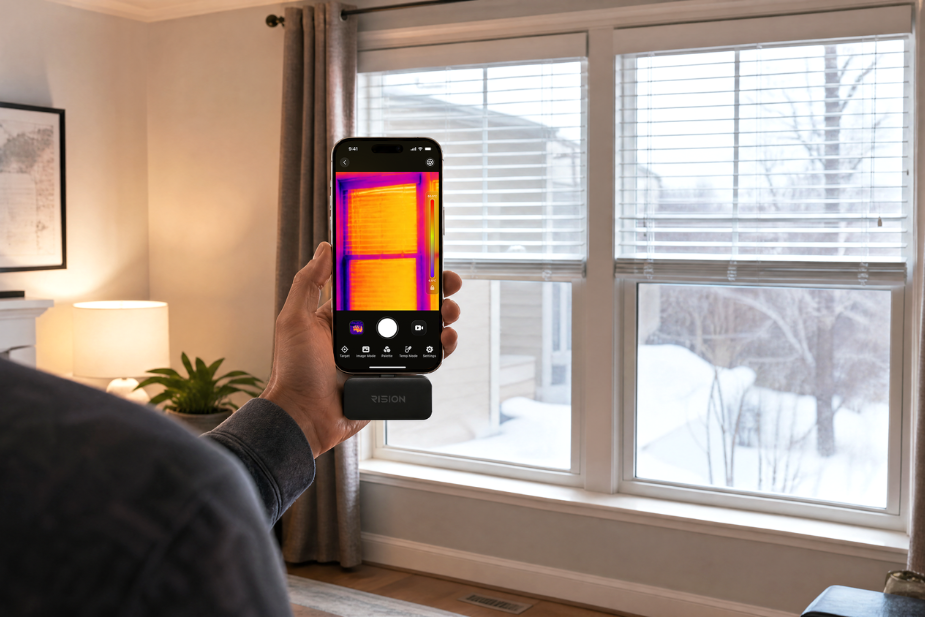
Bien que les caméras thermiques ne puissent pas voir directement à travers les matériaux de construction solides, elles permettent aux professionnels de la maintenance des bâtiments de diagnostiquer les problèmes structurels cachés en analysant les changements indirects de chaleur de surface.
Détection des fuites d'eau et de l'humidité
Les caméras thermiques identifient l'humidité cachée à l'intérieur des cavités murales en détectant les effets de refroidissement par évaporation. L'eau modifie la conductivité thermique des matériaux de construction, et les zones humides se refroidissent à mesure que l'humidité s'évapore. Les caméras thermiques mettent en évidence ces points de surface plus froids, permettant aux inspecteurs de localiser les fuites de plomberie actives, les dommages au toit ou les infiltrations de fondation sans démolir les murs.
Repérage des points chauds électriques et du câblage
Les caméras thermiques localisent les dangers électriques potentiels avant qu'une panne grave ou un incendie ne se produise. Les circuits surchargés, les connexions de câblage desserrées et les disjoncteurs défaillants génèrent une résistance et une chaleur excessives. Cette énergie thermique se propage à la surface du mur environnant, permettant aux caméras thermiques de mettre en évidence les points chauds électriques dangereux dissimulés dans les cavités murales.
Inspection de l'isolation et des pertes d'énergie
Les caméras thermiques optimisent l'efficacité énergétique des bâtiments en identifiant les lacunes d'isolation et les ponts thermiques. Les zones où l'isolation est manquante ou endommagée créent des différences de température de surface distinctes par rapport aux sections de mur correctement isolées. Les caméras thermiques cartographient clairement ces points de perte de chaleur, permettant aux inspecteurs du bâtiment d'évaluer la qualité de l'isolation sans perturbation structurelle invasive.
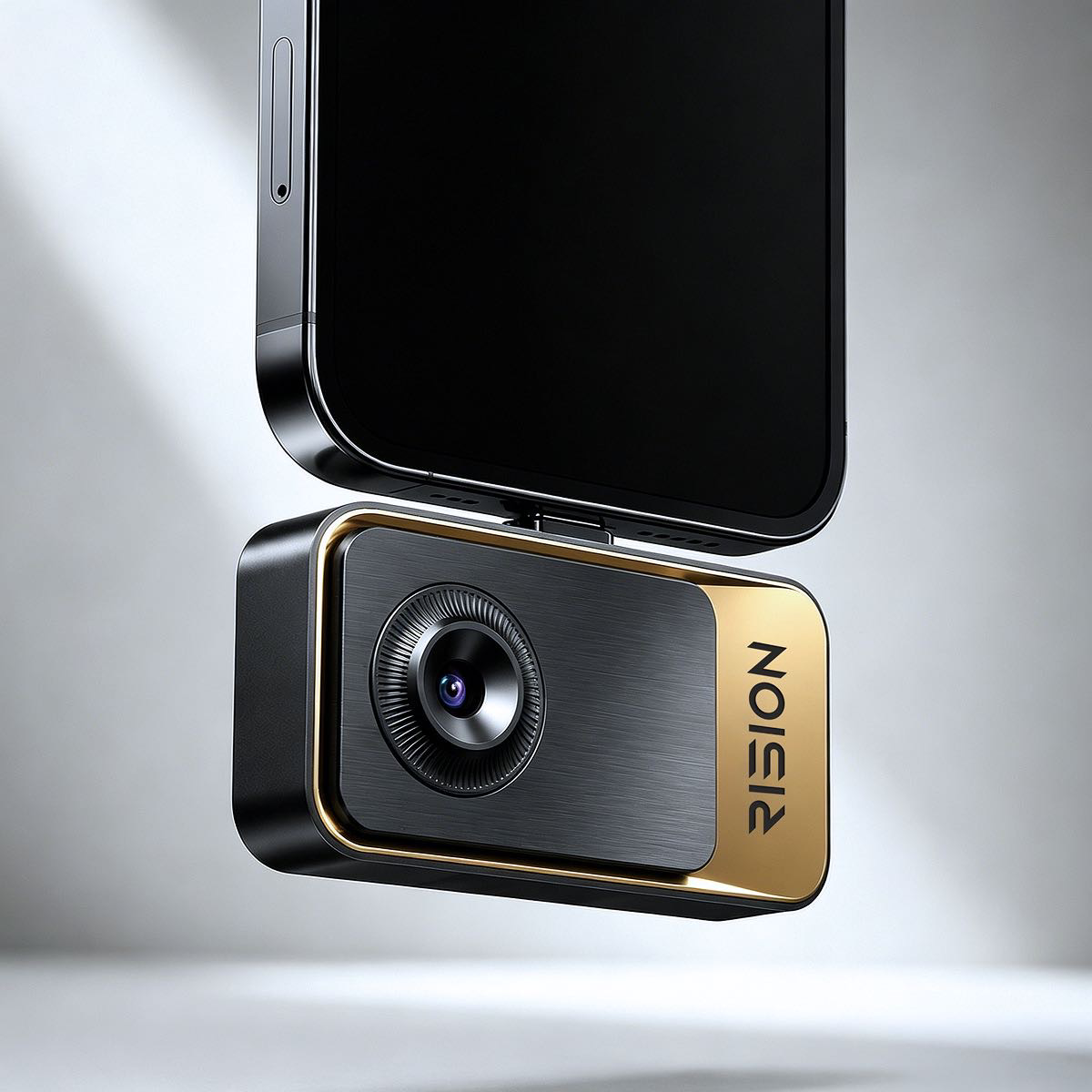
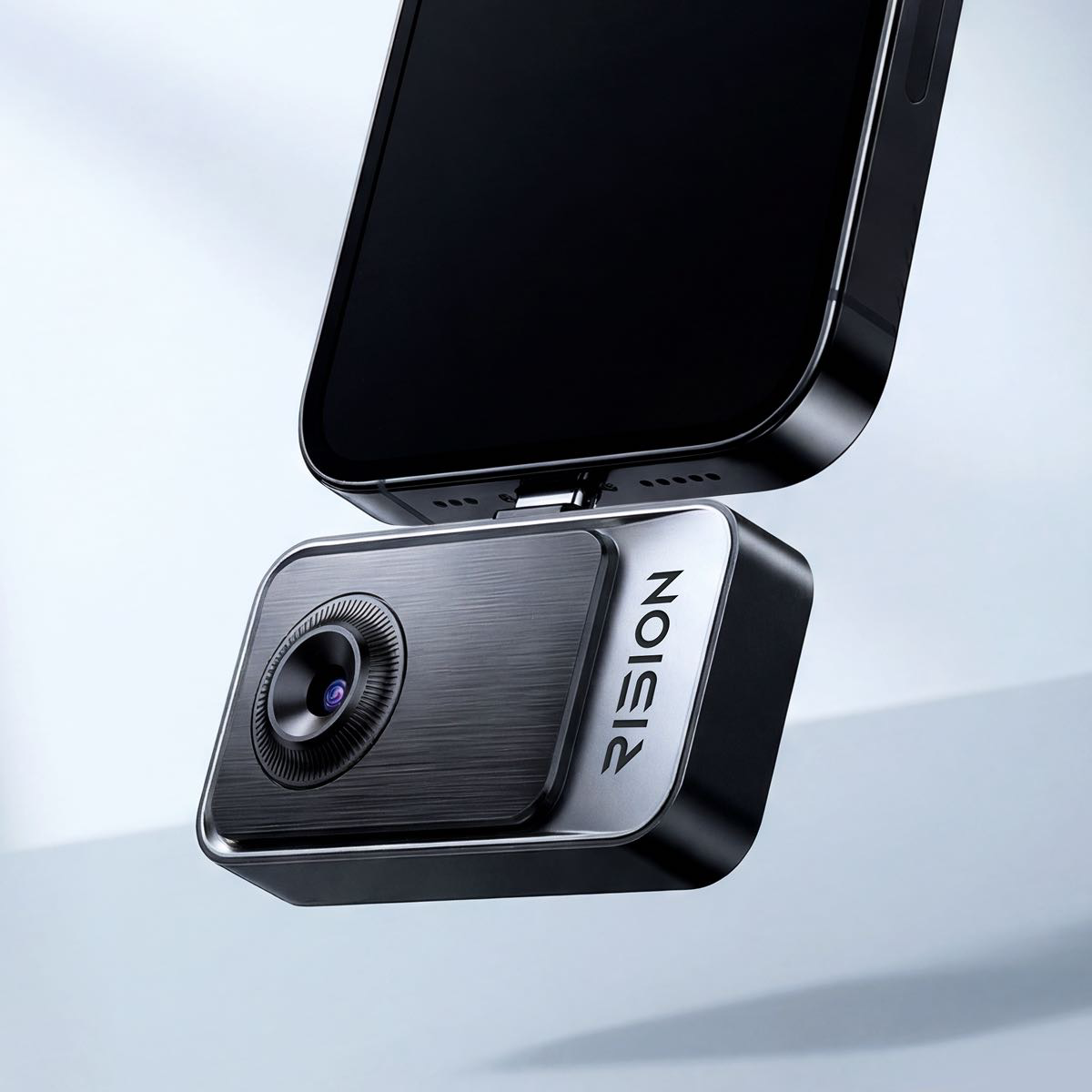
Choisir le bon équipement : la caméra thermique Rision Magic pour iPhone
Pour capturer avec précision ces subtiles variations de température de surface, un équipement haute performance est essentiel. Les caméras thermiques Rision Magic sont conçues avec des capteurs thermiques haute sensibilité et un traitement d'image avancé pour produire des cartes thermiques claires et détaillées en temps réel. Qu'il s'agisse de suivre de petites infiltrations d'humidité, d'identifier une résistance électrique cachée ou d'effectuer des audits énergétiques à domicile dans l'obscurité totale, les caméras thermiques Rision Magic offrent la clarté et la précision requises pour les travaux de diagnostic professionnels.

Caméra thermique RISION Magic
125 $ 139 $
- Résolution IR de 160 × 120 avec super résolution jusqu'à 320 × 240
- Fusion AI Dual-Light pour des images thermiques et visibles alignées
- Plage de température de -4°F à 1112°F avec une précision de ±2%
- Compatible USB-C avec Android, iOS et PC
Utilisez le code : RISION10
Résumé
Les caméras thermiques ne possèdent pas de vision aux rayons X et ne peuvent pas voir à travers les barrières solides comme les murs, le verre ou la maçonnerie dense. Au lieu de cela, les caméras thermiques détectent le rayonnement de surface et transforment de minuscules différences de température de surface en images visuelles claires. En analysant la manière dont les sources de chaleur internes, l'humidité et les composants structurels modifient les températures de surface visibles, les professionnels utilisent les caméras thermiques pour détecter les fuites d'eau, les dangers électriques et les lacunes d'isolation en toute sécurité et de manière non destructive.

Laisser un commentaire
Ce site est protégé par hCaptcha, et la Politique de confidentialité et les Conditions de service de hCaptcha s’appliquent.